What the Next Decade Holds for Financial Advisors in 2026
You sit across from a client, and the questions are no longer simple. They ask about retirement income, taxes, estate planning, and long-term security. Markets move quickly. Regulations change. Technology keeps advancing. That is why understanding what the next decade holds for financial advisors has become so important today.
The financial advising industry in the United States is not standing still. Client expectations are rising. Competition is growing. Many experienced advisors are nearing retirement. At the same time, new tools like AI and automation are reshaping how advisory firms operate. This creates pressure, but it also creates a strong opportunity for advisors who are prepared.
Over the next ten years, success will depend on structure, efficiency, and deeper client relationships. Here, we will walk through industry growth, demand trends, advisor retirement data, technology changes, and compliance realities.
You will see clearly where the profession is heading and what actions advisors can take now to stay ahead.
So, Here’s What the Next Decade Holds for Financial Advisors in 2026
Let’s walk through everything clearly so you see what is happening now and what is coming next for financial advisors.
1. The Industry is Growing Bigger
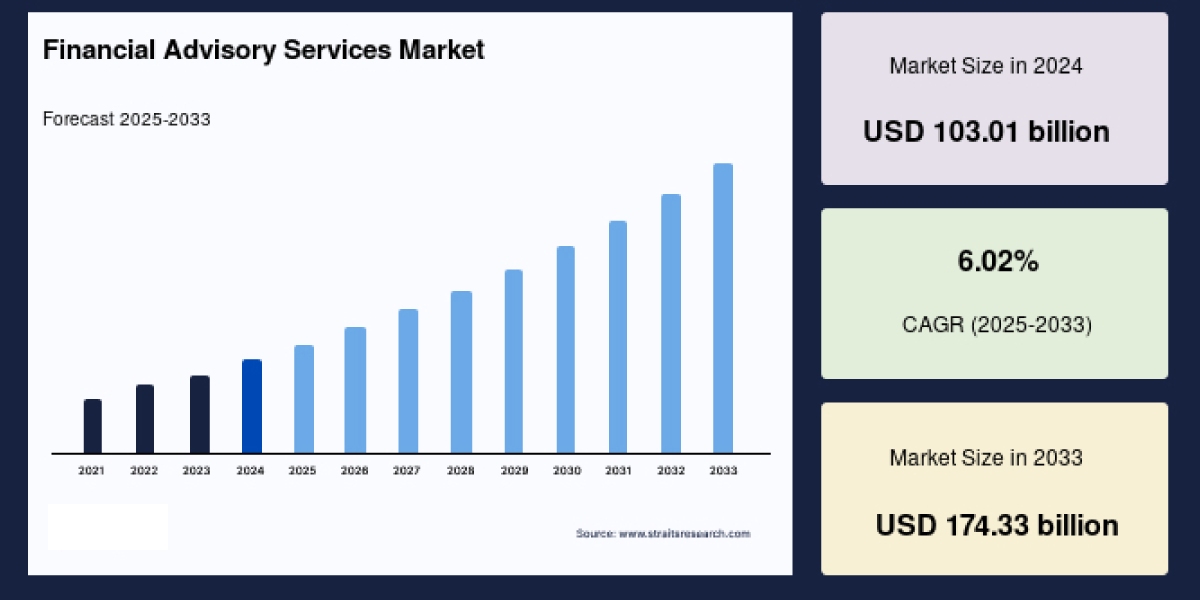
The financial advising industry in the U.S. continues to grow. In 2025, the market was valued at about $28.8 billion, and experts expect it to pass $40 billion by 2033. That shows steady growth of around 4 to 6 percent each year.
Demand for financial advisors is strong. According to the U.S. Bureau of Labor Statistics, employment of personal financial advisors is projected to grow 10 percent from 2024 to 2034, which is much faster than the average for all occupations.
So, is financial advising a dying industry? No, financial advising is not a dying industry. The data clearly shows expansion.
Advisors also manage tens of trillions of dollars in client assets, and that number keeps rising. Money decisions are more complex today. Clients need help with retirement, taxes, estate planning, insurance, and major life changes.
Online tools alone cannot handle all of that, which keeps demand for advisors high.
2. Demand for Financial Advisors is Increasing
Another common question is about the demand for financial advisors. Demand for financial advisors is growing.
Older adults need help with retirement,
and younger generations want clear guidance.
Wealth is moving between generations,
and markets are often unpredictable.
Life events like marriage, divorce, inheritance, business sales, and retirement create planning needs that software alone cannot handle. This keeps real advisors in high demand.
3. Client Expectations are Changing
Advisors once focused mainly on investment performance. That is no longer enough.
Clients now expect:
Goal-based planning
Personalized advice
Frequent communication
Digital access
Transparency in fees
Nearly half of advisors now provide full financial planning services instead of only investment management. Clients are willing to pay more for deep planning and clear direction.
Younger investors especially want online tools plus human guidance. They expect quick responses and simple explanations. Advisors must combine technology with personal connection.
4. Technology is Becoming Part of Every Advisor’s Workflow
Technology is changing how advisors work. Many use —
client management systems,
digital planning tools,
portfolio monitors,
secure portals,
and marketing automation.
Robo-advisors now manage over $1 trillion globally. But will financial advisors be replaced by AI? No. It helps with tasks, research, and portfolio monitoring, but clients still need human guidance for big decisions.
Advisors who use technology work more efficiently and grow faster.
5. The Role of Advisors is Evolving
The job description is expanding.
Today’s advisor is:
A holistic planner
A tax-aware strategist
A retirement income specialist
An estate planning partner
A behavioral coach
A business owner
Clients want someone who understands their full financial life, not just investment returns.
So, continuous learning is essential for advisors. Advisors must stay updated on tax law, retirement rules, compliance standards, and technology tools. The advisors who invest in skill growth stay competitive.
6. Retirement and Wealth Transfers are Major Forces
Trillions of dollars will move from baby boomers to younger generations in the next decade. At the same time, many advisors are retiring. Right now, the average age of financial advisors is about 49–50 years old, and tens of thousands may leave the workforce in 10–15 years.
This creates opportunities for younger advisors and makes succession planning essential. Advisors who connect with the next generation of clients will succeed long term.
If you are considering a career in this field, see the Financial Advisor Career guide for insights.
7. Mergers, Consolidation, and New Firm Models
The advisory industry is changing. Big advisory firms are buying smaller ones to grow and work more efficiently. At the same time, independent advisors are growing.
Many want to stay independent but use strong systems to run their practice smoothly. This gives advisors options: —
sell their firm,
merge for growth,
or stay independent with the right technology and support.
8. Regulation and Compliance are Strong Forces
Compliance remains one of the most time-consuming parts of advisory work. Regulators continue updating rules around fiduciary duty, reporting, cybersecurity, and disclosure. Advisors must maintain strong documentation and audit trails.
Firms that automate compliance workflows reduce risk and free up time for client service. Those who rely on manual processes may struggle with regulatory pressure.
What Percentage of Financial Advisors are Successful?

Success in financial advising varies. Industry studies often show that a smaller percentage of advisors control a large share of assets. Top-performing advisors manage the majority of client wealth.
Long-term success depends on:
Client retention
Clear niche positioning
Efficient operations
Strong referral systems
Adapting to technology
Advisors who build structured systems tend to outperform those who rely only on networking.
How Finex360 Helps Financial Advisors Succeed in the Decade Ahead
Advisors in 2026 and beyond need more than investment tools. They need automation. They need compliance support. They need structured growth systems. At Finex360, our platform gives you AI-powered automation that reduces manual work, organizes compliance workflows, supports portfolio monitoring, and strengthens client service. You operate lean. You stay protected. You scale faster.
If you want to build a strong advisory practice prepared for the next decade, book a consultation with us today and take control of your growth.
Wrapping Up
To sum it up, the financial advising world is changing fast. Clients want more than investment advice. Technology, retirements, and wealth transfers are reshaping the industry. By understanding what the next decade holds for financial advisors, advisors can plan ahead, adopt the right tools, and build stronger relationships.
Those who act now will grow their practice and stay ahead in the years to come.